The first instant
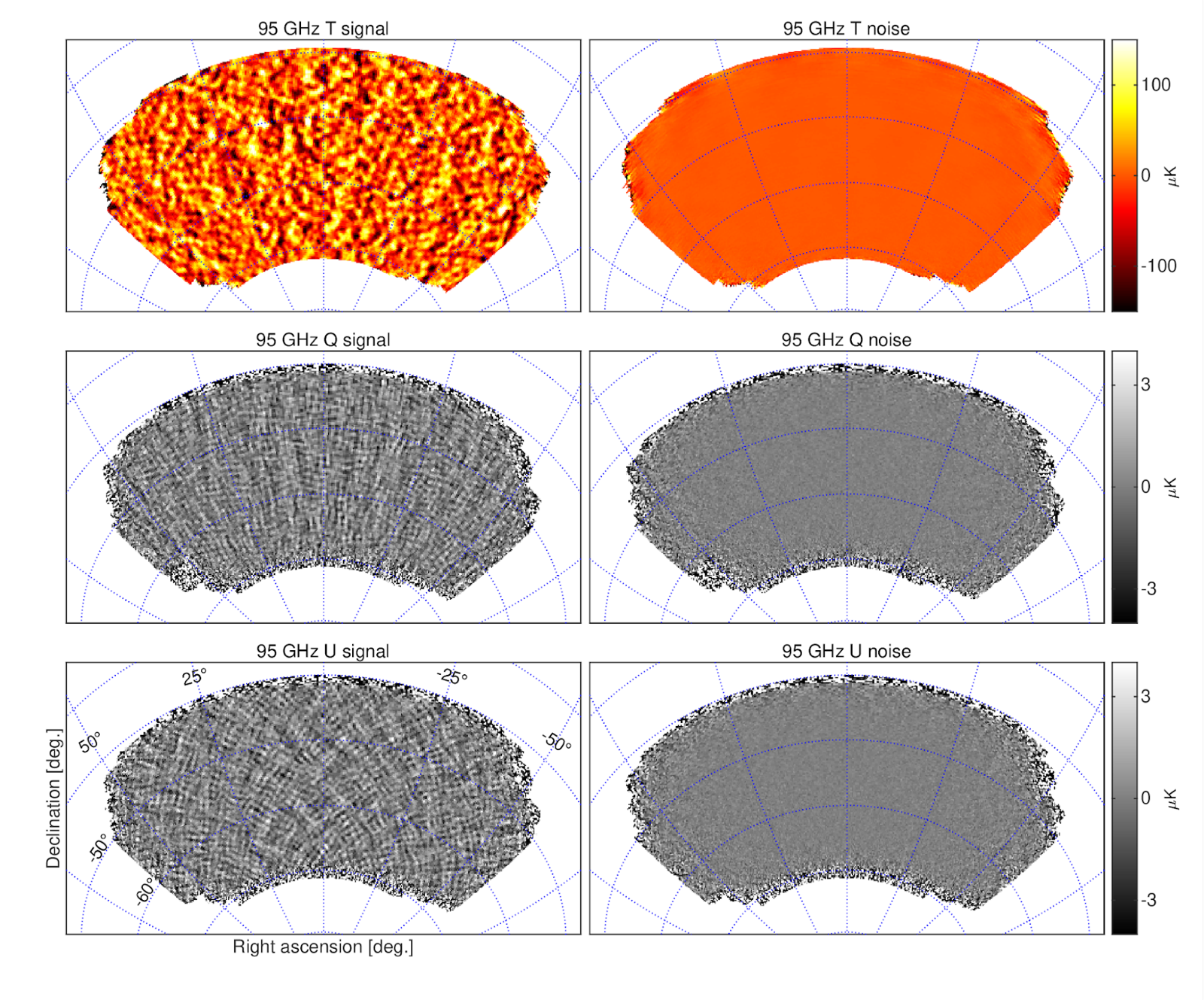
Inflation predicts that the violent expansion of the early Universe left behind a background of primordial gravitational waves. Those waves would imprint a distinctive curl, a B-mode pattern, on the polarization of the cosmic microwave background at degree angular scales. Detecting that pattern would be direct evidence of physics at energies far beyond the reach of any accelerator.
The signal, if it exists at the level current experiments can reach, is excruciatingly difficult to measure. Contrary to intuition, achieving instrument sensitivity for this faint signal is not the hard part; that problem has been solved by the work my group and our collaborators have done to scale CMB camera sensor counts. There are three major challenges: the Galactic dust and synchrotron emission that shine in polarization along the same line of sight, the gravitational lensing that converts the CMB’s own E modes into B modes, and instrumental systematic effects that can produce spurious signal. The South Pole Observatory is built around attacking all three at once.
The South Pole Observatory

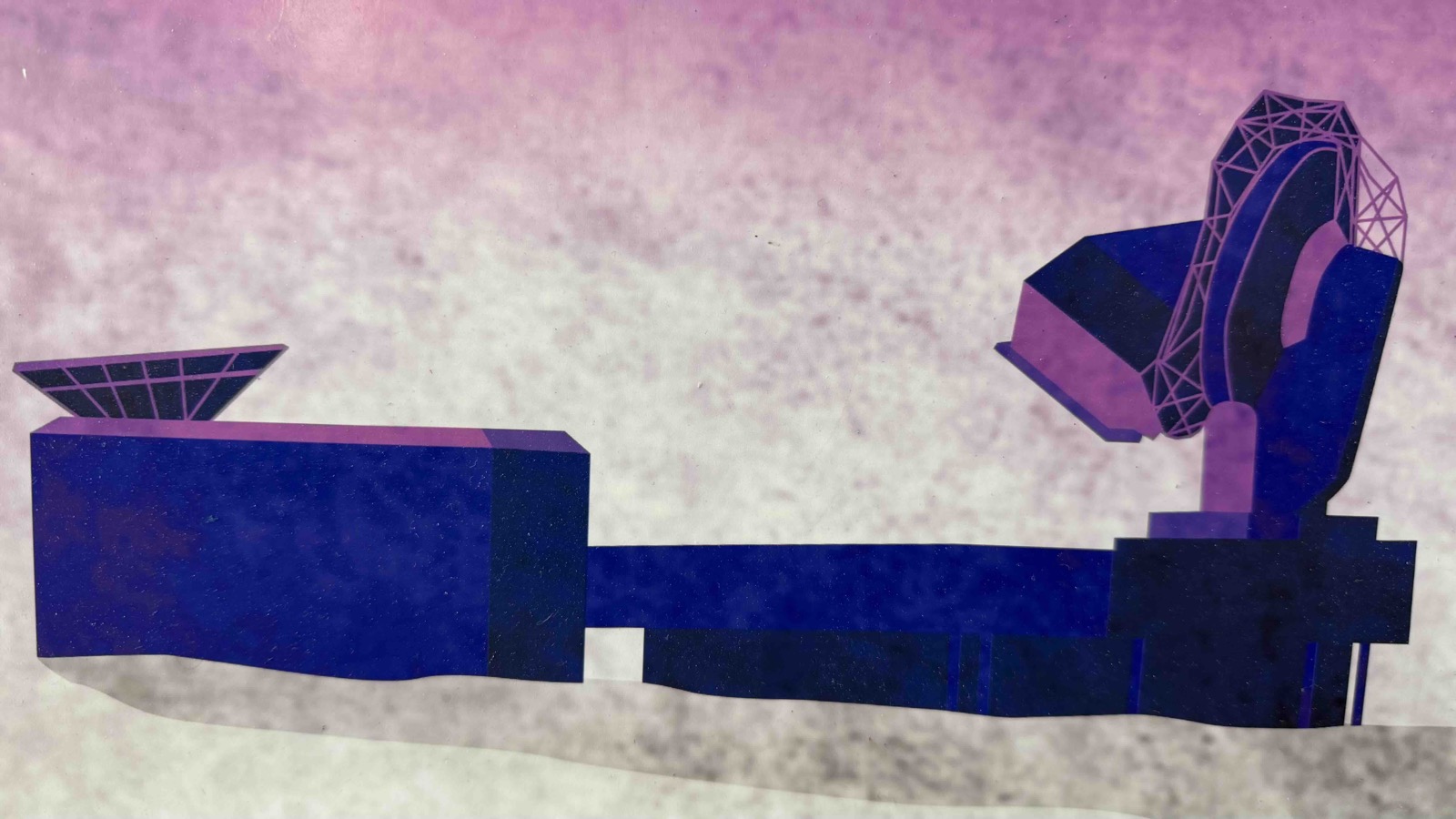
The South Pole Observatory is a coordinated observing and analysis program of the BICEP and SPT collaborations at the Amundsen-Scott South Pole Research Station, targeting σ(r) = 0.001 on the tensor-to-scalar ratio. Compact small-aperture BICEP polarimeters integrate deeply on roughly 1% of the sky to search for the primordial signal, and to disentangle it from Galactic foregrounds in that field. The 10 meter South Pole Telescope supplies the high-resolution maps of gravitational lensing used to delens those B-mode data. Lensing of the CMB by intervening structure converts E-mode polarization into B modes that would otherwise swamp a primordial signal at this level, so delensing is not a refinement of the measurement but a requirement of it.
The site does much of the work. The Antarctic plateau is high, cold and exceptionally dry, and a target field near the South Celestial Pole stays above the horizon continuously, so one patch of sky can be integrated on for years rather than for the few hours a night a mid-latitude site allows. The atmosphere above it is unusually stable, because at the Pole the diurnal cycle is an annual one: the Sun rises and sets once a year, so the daily heating and cooling that stirs the atmosphere at every other site does not happen. The same patch was chosen for unusually low Galactic foreground emission.
Current work
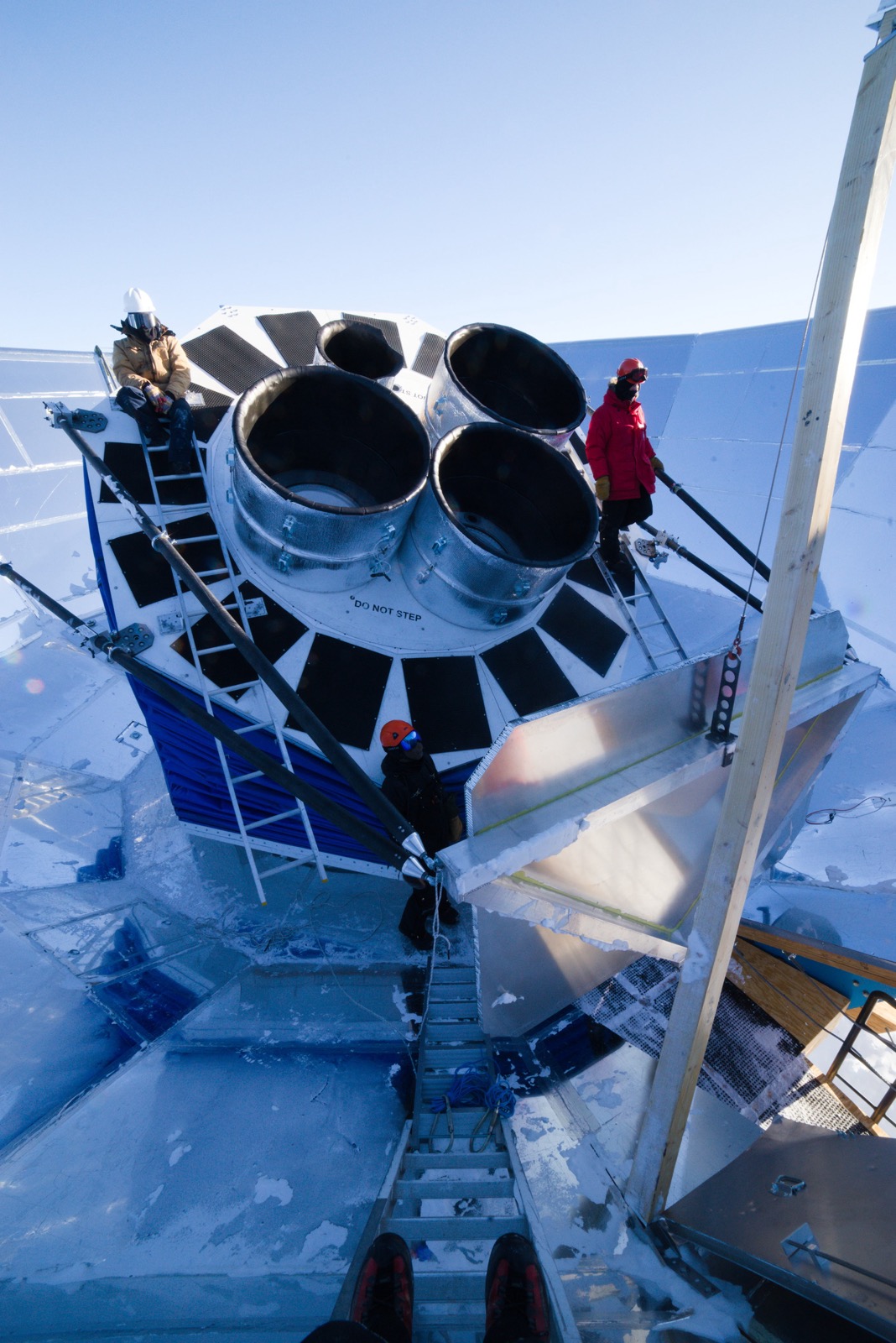
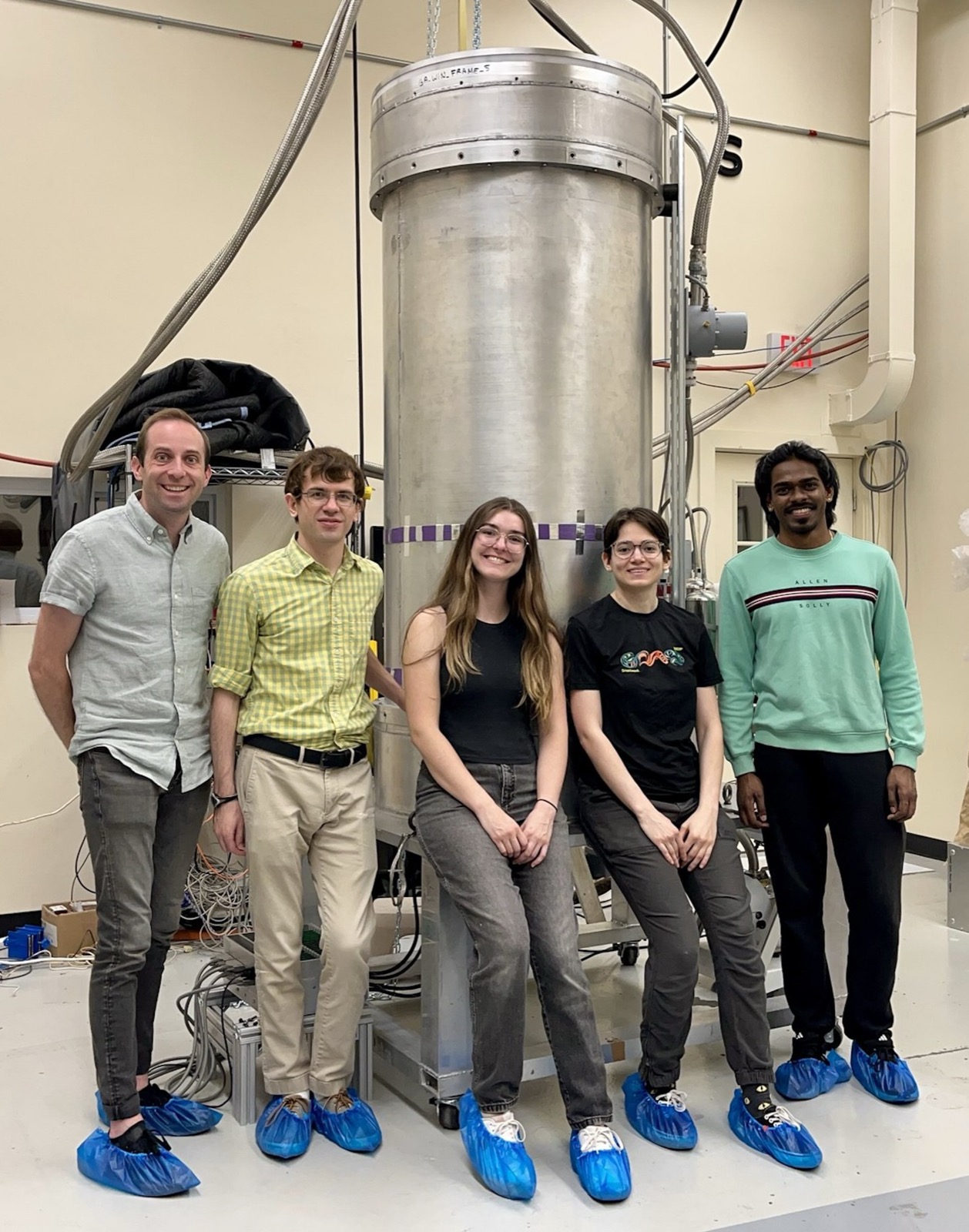
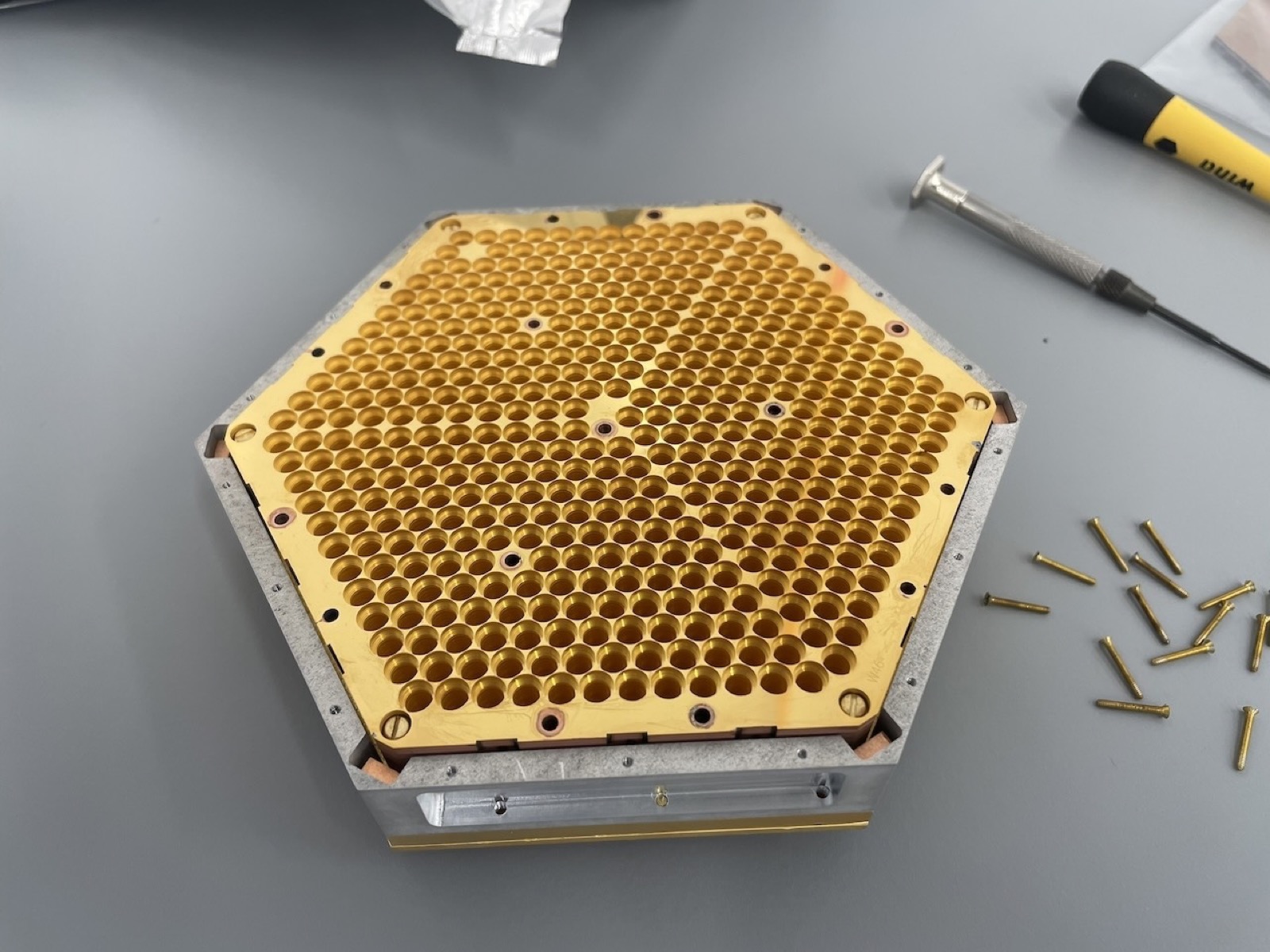
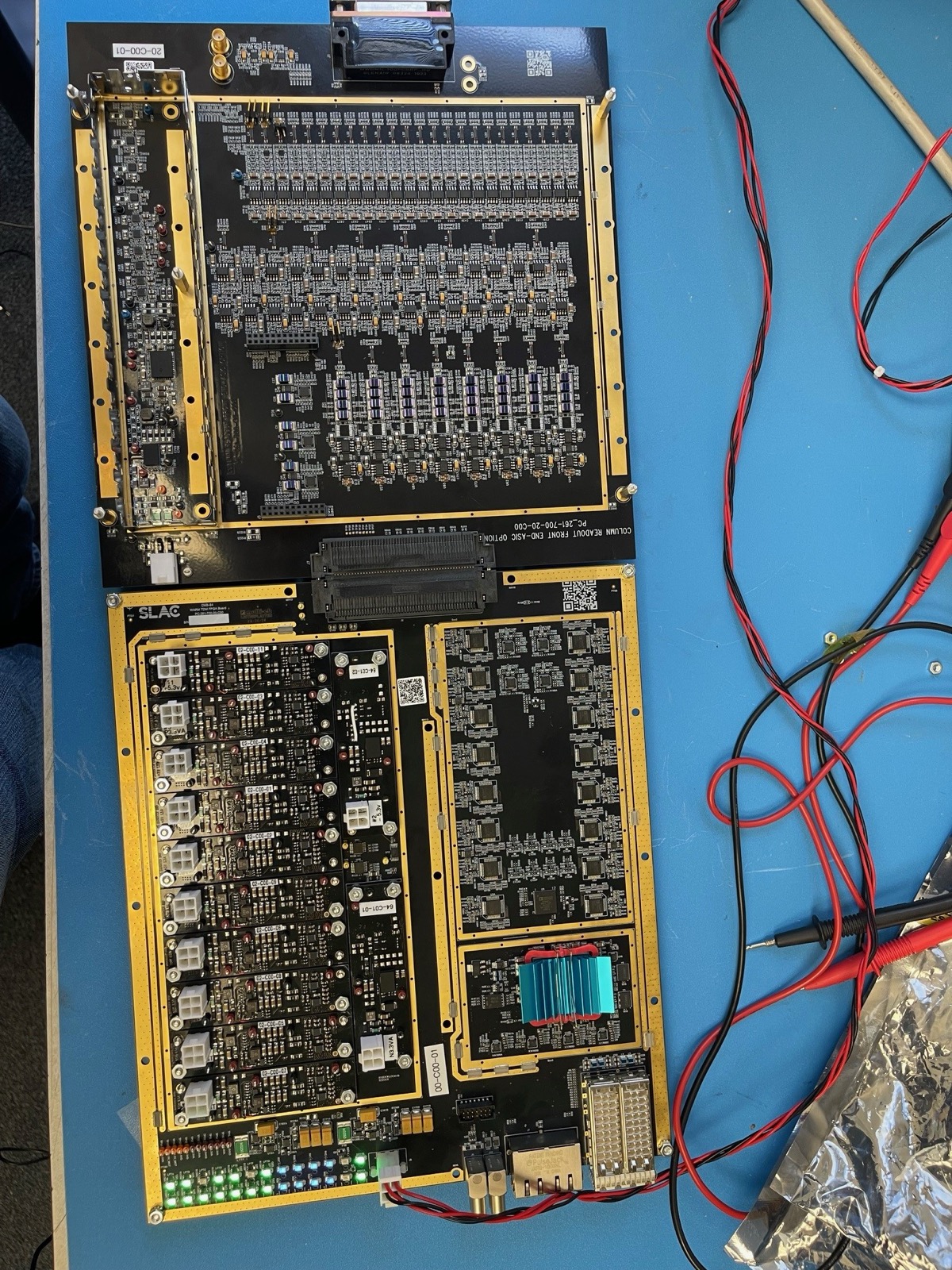
I am the DOE principal investigator of the BICEP Array Upgrade Project, populating the fourth BICEP Array receiver with detector modules before installation and commissioning at the South Pole. I am also the SLAC principal investigator and Readout L2 manager for SPT-3G+, leading the microwave SQUID multiplexed readout for a receiver of 24,080 transition-edge sensors at 90 and 150 GHz, planned for installation in early 2029.
Those two roles are the two halves of the same measurement. The BICEP Array receivers supply the deep, degree-scale polarization data in which a primordial signal would appear, and, by observing the same field in several frequency bands, the leverage to separate Galactic dust and synchrotron emission from it. SPT-3G+ supplies the high-resolution lensing measurement that says how much of the observed B-mode power is lensing rather than inflation, and lets it be subtracted.
Earlier work in this program
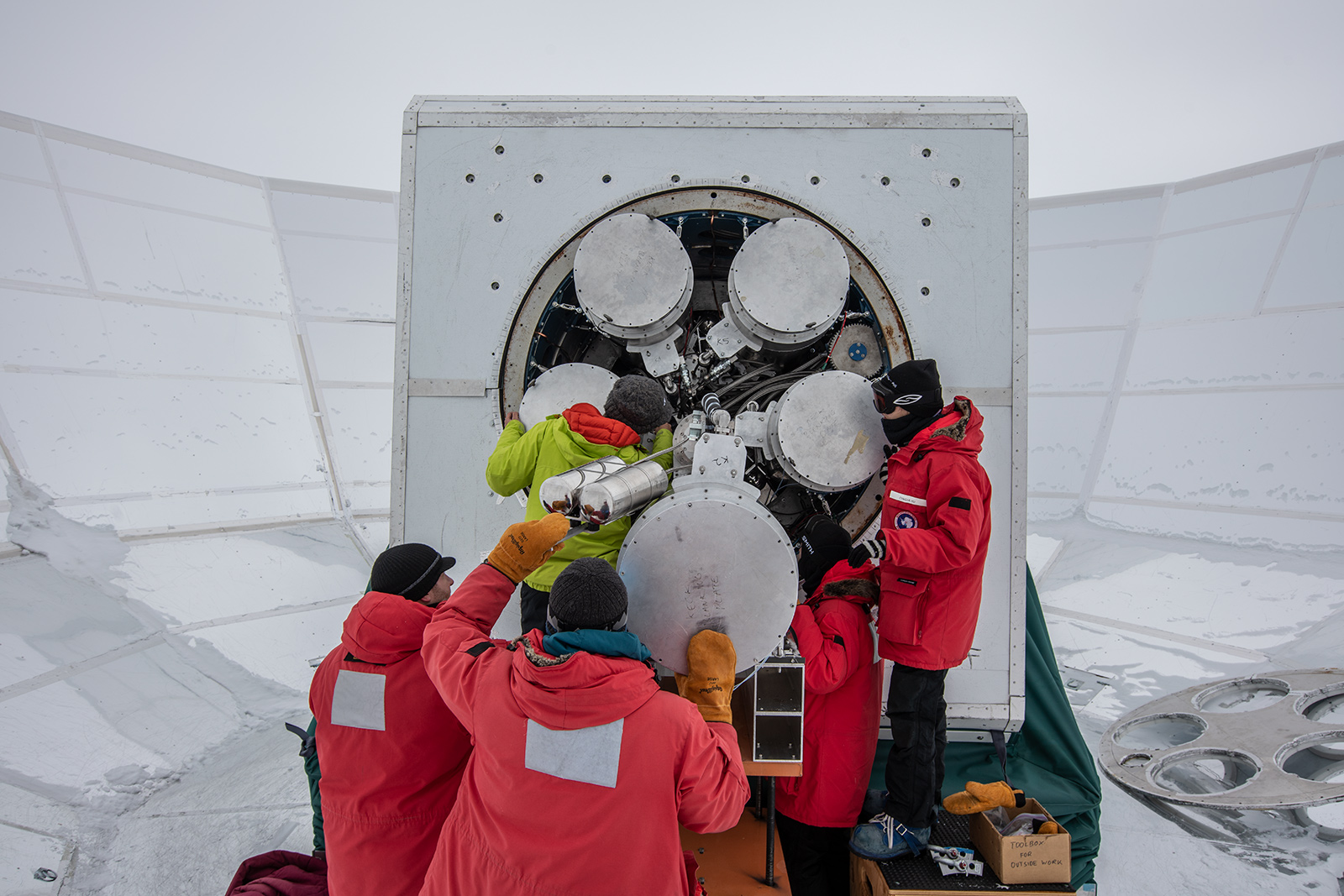
As a postdoc, I led the design, construction, testing and deployment of BICEP3, which delivered ten times the optical throughput of the previous generation of BICEP receivers, from 2011 to 2015. From 2015 to 2018, as Panofsky Fellow at SLAC, I coordinated BICEP/Keck science observations and oversaw low-level data reduction, map making and data quality assurance, work that produced the BK18 dataset and its constraint r(0.05) < 0.036 at 95% confidence. I also supervised the first published constraints on ultralight axionlike fuzzy dark matter derived from polarization oscillations in BICEP/Keck data.